 GONGYI BAOYUAN MACHINERY.CO.LTD


搜索您想要的
搜索所有产品新闻
搜索
A wood activated carbon kiln is a key piece of equipment in the production of wood activated carbon. Its core function is to transform wood and other raw materials into an activated carbon product with a rich microporous structure through a carbonization and activation process. Its operating principle is based on pyrolysis and gas activation. The specific process is as follows:
Carbonization Stage: Raw Material Pretreatment and Structural Transformation
High-temperature pyrolysis: Wood undergoes thermal decomposition in an oxygen-deficient environment (approximately 400-600°C), removing moisture, volatiles, and some organic matter, forming a carbon-rich skeleton. During this stage, the heating rate and holding time must be strictly controlled to prevent raw material combustion or structural collapse.
Preliminary Structural Formation: The solid product (called “carbonized material”) after carbonization possesses a preliminary pore structure, but the pores are large and have limited adsorption capacity, requiring further activation. Activation Stage: Micropore Construction and Performance Optimization
Physical Activation: Activating gases such as water vapor and carbon dioxide are introduced at high temperatures (800-1000°C) to undergo an oxidation reaction with the carbon in the carbonized material (e.g., C + H₂O → CO + H₂), expanding existing pores and creating new micropores, significantly increasing the specific surface area.
Chemical Activation (Optional): Some processes use chemicals such as phosphoric acid and zinc chloride to impregnate the raw materials. During the carbonization process, dehydration and corrosion create developed pores, making it suitable for the production of activated carbon with high adsorption properties.
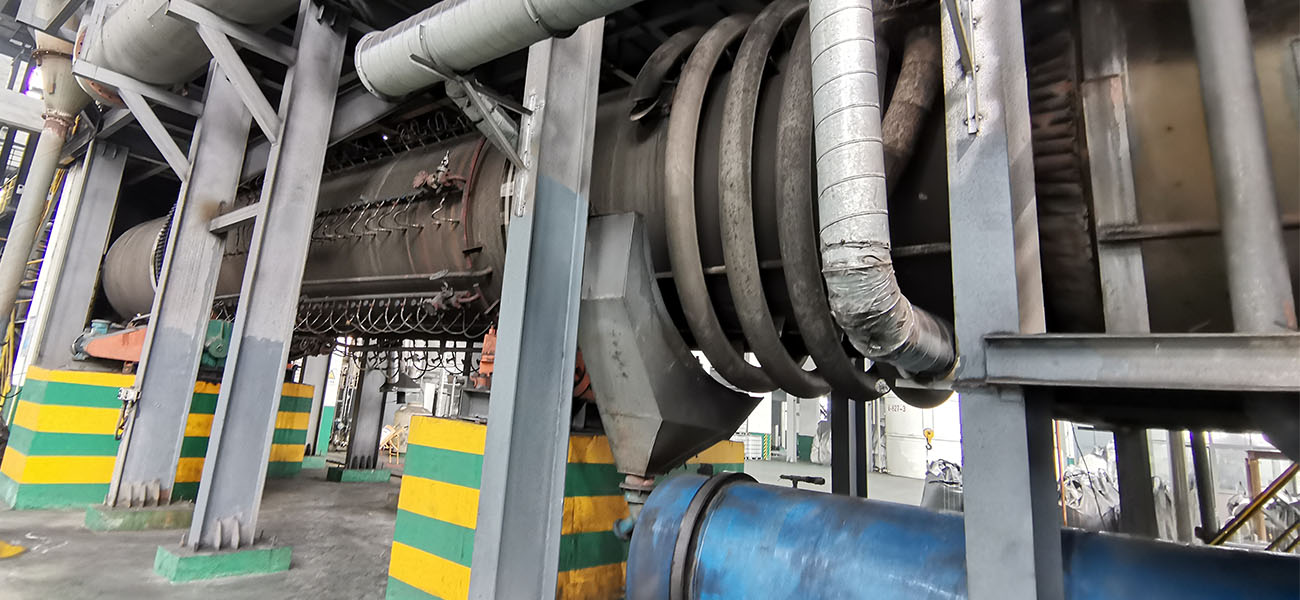
Temperature Control: 400-600°C for the carbonization stage and 800-1000°C for the activation stage, with an accuracy of ±5°C to ensure pore structure stability.
Atmosphere Control: Oxygen content monitoring and inert gas (nitrogen) supplementation are used to maintain a weakly oxidizing environment to avoid excessive ablation.
Raw Material Compatibility: A variety of wood-based materials, including sawdust, coconut shells, and fruit shells, can be processed. The moisture content of the raw materials should be controlled at 10%-15% to improve thermal efficiency.
1.Environmental Water Treatment
Removes organic matter (such as phenols and dyes), heavy metal ions (Pb²⁺, Hg²⁺), and residual chlorine from water, meeting drinking water hygiene standards.
In municipal wastewater treatment plants, COD removal rates can reach 60%-80% in deep treatment processes.
2.Air Purification and Industrial Waste Gas Treatment
Adsorbs VOCs (volatile organic compounds) and odorous gases (such as hydrogen sulfide), and is used for exhaust gas treatment in paint shops and pharmaceutical factories.
Home air purifier filters reduce PM2.5 and formaldehyde concentrations through physical adsorption of activated carbon.
3.Food and Pharmaceutical Industries
Decolorization of food (such as sugar and fruit juice refining), removing pigments and odors.
Purification of pharmaceutical intermediates, high-purity activated carbon that meets GMP certification requirements.

High carbon yield: One ton of activated carbon can be produced from 5-6 tons of raw material. Both carbonization and activation are performed in an oxygen-free environment, minimizing carbon loss. The carbonization furnace utilizes segmented temperature control for controlled carbonization.
Adjustable Product Quality: Adjustable production process parameters enable the production of coconut shell activated carbon in various specifications.
High Automation: The entire equipment utilizes PLC automation control, and sensors are installed at multiple process nodes throughout the production line to ensure safety at every stage. The equipment’s process parameters can be automatically adjusted via the PLC, providing exceptional flexibility. The entire production line utilizes minimal labor, saving labor.
High production output: 5-20 tons/day.
| 能力 | 5-8t/d | 8-10t/d | 10-12t/d | 12-15t/d | 15-20t/d |
| 烘干机型号 | HG-800 | HG-1000 | HG-1200 | HG-1500 | HG-1800 |
| 烘干机功率 | 3 千瓦 | 4 千瓦 | 7.5 千瓦 | 15 千瓦 | 22 千瓦 |
| 连续碳化炉模型 | TH-1500 | TH-1500 | TH-1800 | TH-2000 | TH-2000 |
| 碳化温度 | 600-850℃ | ||||
| 碳化后的固定碳含量 | 70-80% | ||||
| 碳化炉转鼓材料 | 309S/310S | 309S/310S | 309S/310S | 309S/310S | 309S/310S |
| 活化炉模型 | HN-5 | HN-8 | HN-10 | HN-12 | HN-15 |
| 启动炉电源 | 15 千瓦 | 22 千瓦 | 30 千瓦 | 37 千瓦 | 37 千瓦 |
| 活化炉炉膛材料 | QQ345+ 纳米隔热板+耐火材料 | ||||
| 激活温度 | 850-950℃ | ||||
| 启动器 | 水蒸气或磷酸(根据客户要求定制,设备设计将更新) | ||||
| 启动时间 | 1-2h | ||||
| 冷却机型号 | GTL-1004 | GTL-1204 | GTL-1206 | GTL-1504 | GTL-1506 |
| 冷却后的温度 | ≤40℃ | ||||
| 活性炭破碎机模型 | SGP-400 | SGP-400 | SGP-600 | SGP-800 | SGP-800 |
| 活性炭成品尺寸 | 4-60mesh | ||||
| 活性炭碘值 | 800-1300 毫克/克 | ||||
| 活性炭比表面积 | 800-1500 平方米/克 | ||||
| 活性炭强度 | ≥95 | ||||
| 反恐委员会 | ≥60% | ||||
| 填充密度 | 0.45-0.55g/cm3 | ||||
| 活性炭灰 | ≤3% | ||||
本网站使用 cookie 改善您的浏览体验。继续使用本网站即表示您接受使用我们的 cookie。本网站收集的数据在美国处理和存储。

