 GONGYI BAOYUAN MACHINERY.CO.LTD


원하는 것을 검색하세요
모두 검색제품뉴스
검색
The fruit shell activated carbon kiln is a core thermal process equipment specifically designed to convert fruit shells (such as coconut shells, apricot shells, and walnut shells) into high-performance activated carbon. The process revolves around two key steps: carbonization and activation, ultimately producing an activated carbon product with a well-developed pore structure and strong adsorption properties.
Core Process Steps
Raw Material Pretreatment
The fruit shells are screened and crushed to remove impurities and ensure a uniform particle size (usually within a specific mesh range), providing stable conditions for subsequent thermochemical reactions.
Carbonization Stage
In an oxygen-deficient environment, the fruit shells undergo high-temperature pyrolysis (approximately 600-800°C). Volatile components (such as water and tar) are removed, and a preliminary carbon skeleton is formed, laying the foundation for the activation process.
Activation Stage
Using high-temperature steam activation (the mainstream process), at temperatures of 800-1000°C, steam reacts with the carbon surface to form a large number of micropores, mesopores, and macropores, significantly increasing the specific surface area and adsorption capacity. Post-Processing
After crushing, screening, acid washing, or water washing, refined products are obtained in various particle sizes and purities to meet diverse application needs.
Technical Advantages and Product Features of Fruit Shell Activated Carbon Kiln.
Fruit shell activated carbon kilns precisely control temperature, atmosphere, and reaction time, producing activated carbon with the following significant advantages:
Key Product Features
Developed Pore Structure: Surface area can reach 1000-1500 m²/g, with a well-defined micropore distribution and high adsorption capacity.
High Strength and Abrasion Resistance: High mechanical strength and washability make it suitable for repeated regeneration, reducing operating costs.
Wide Applicability: High adsorption capacity for pollutants in water, air, and organic solvents (such as chlorine, phenol, sulfur, and pesticide residues).
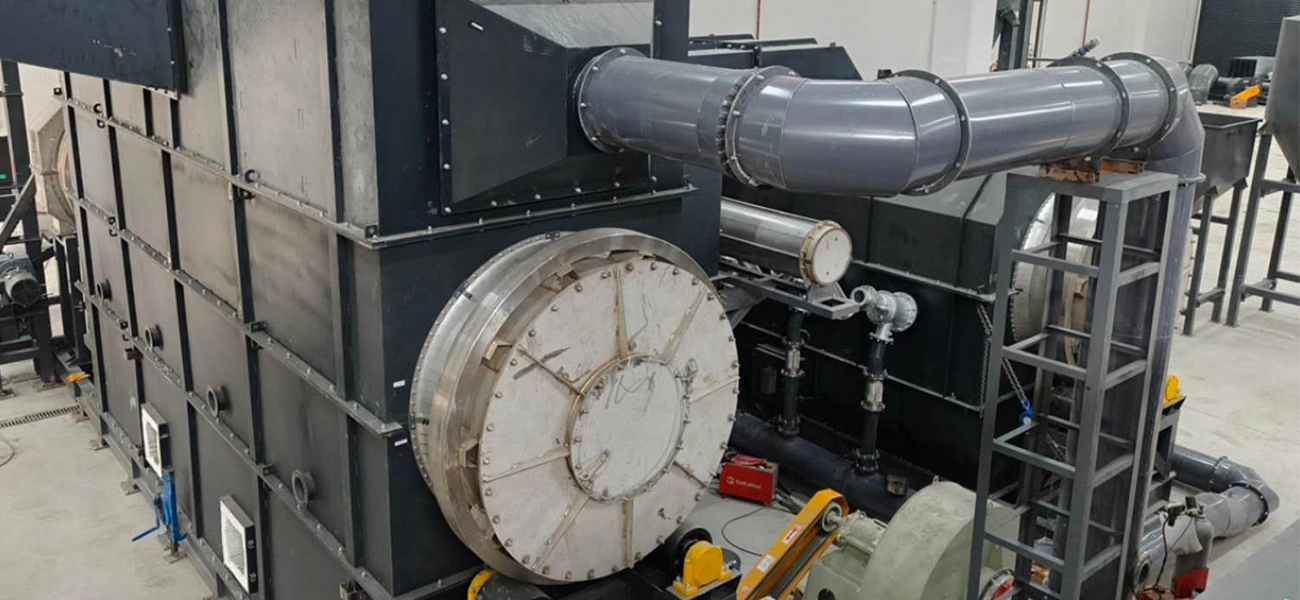
Temperature Control: 400-600°C for the carbonization stage and 800-1000°C for the activation stage, with an accuracy of ±5°C to ensure pore structure stability.
Atmosphere Control: Oxygen content monitoring and inert gas (nitrogen) supplementation are used to maintain a weakly oxidizing environment to avoid excessive ablation.
Raw Material Compatibility: A variety of wood-based materials, including sawdust, coconut shells, and fruit shells, can be processed. The moisture content of the raw materials should be controlled at 10%-15% to improve thermal efficiency.
Due to its excellent performance, products produced by fruit shell activated carbon kilns are widely used in the following fields:
Water Treatment
Drinking Water Purification: Removes odor, residual chlorine, heavy metals, and disinfection byproducts (such as THM precursors) to improve water quality and safety.
Industrial Wastewater Treatment: Treats wastewater from the petrochemical, oil refining, food and beverage industries, and adsorbs oils, colloids, and organic pollutants.
Air Purification and Environmental Management
Industrial Exhaust Gas Treatment: Flue gas desulfurization and denitrification, and VOC (volatile organic compound) recovery, such as solvent (benzene, gasoline) adsorption and regeneration.
Indoor and Automotive Purification: Removes formaldehyde and odor, and is used in air purifiers and automotive exhaust treatment systems.
Food, Pharmaceutical, and Chemical
Decolorization and Refining: Removes pigments and impurities in sugar, wine, and MSG production to improve product purity. Catalyst carriers: Serves as catalyst carriers in chemical reactions, such as petroleum catalytic reforming.
Special Applications
Nuclear Power and Environmental Protection: Adsorbs high-risk pollutants such as radioactive gases and dioxins.
Precious Metal Recovery: Extracts precious metals such as gold and silver from industrial wastewater, achieving resource recycling.

Strong Process Controllability: Supports continuous or batch production. The pore size distribution and adsorption properties of the activated carbon can be customized by adjusting activation time, temperature, and steam dosage.
High Raw Material Utilization: Fruit shell biomass is widely available, low-cost, and the carbonization and activation process is highly energy-efficient. Environmentally friendly and sustainable: The production process is pollution-free, and the finished activated carbon can be thermally regenerated to restore its adsorption capacity, enabling recycling.
| 용량 | 5-8t/d | 8-10t/d | 10-12t/d | 12-15t/d | 15-20t/d |
| 건조기 모델 | HG-800 | HG-1000 | HG-1200 | HG-1500 | HG-1800 |
| 건조기 전원 | 3kw | 4kw | 7.5kw | 15kw | 22kw |
| 연속 탄화로 모델 | TH-1500 | TH-1500 | TH-1800 | TH-2000 | TH-2000 |
| 탄화 온도 | 600-850℃ | ||||
| 탄화 후 탄소 함량 수정 | 70-80% | ||||
| 탄화로 드럼 재료 | 309S/310S | 309S/310S | 309S/310S | 309S/310S | 309S/310S |
| 활성화로 모델 | HN-5 | HN-8 | HN-10 | HN-12 | HN-15 |
| 활성화 용광로 전력 | 15kw | 22kw | 30kw | 37kw | 37kw |
| 활성화로 챔버 재료 | QQ345+나노 단열 보드+내화물 | ||||
| 활성화 온도 | 850-950℃ | ||||
| 액티베이터 | 수증기 또는 인산(고객 요구 사항에 따라 맞춤화, 장비 설계가 업데이트됨) | ||||
| 활성화 시간 | 1-2h | ||||
| 냉각기 모델 | GTL-1004 | GTL-1204 | GTL-1206 | GTL-1504 | GTL-1506 |
| 냉각 후 온도 | ≤40℃ | ||||
| 활성탄 분쇄기 모델 | SGP-400 | SGP-400 | SGP-600 | SGP-800 | SGP-800 |
| 활성탄 완제품 크기 | 4-60메시 | ||||
| 활성탄 요오드 값 | 800-1300mg/g | ||||
| 활성탄 비표면적 | 800-1500m²/g | ||||
| 활성탄 강도 | ≥95 | ||||
| CTC | ≥60% | ||||
| 채우기 밀도 | 0.45-0.55g/cm3 | ||||
| 활성탄 재 | ≤3% | ||||
이 웹사이트는 사용자의 브라우징 경험을 개선하기 위해 쿠키를 사용합니다. 이 사이트를 계속 이용하면 쿠키 사용에 동의하는 것으로 간주됩니다. 이 웹사이트에서 수집된 데이터는 미국에서 처리 및 저장됩니다.

